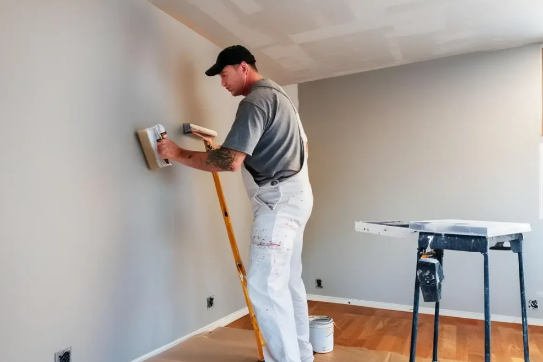
One of the most rewarding ways to change a space is to paint your home. But in the excitement of having a fresh colour on the walls, many homeowners will rush through an important step in the process – the primer. Although it might feel daunting or trivial, suitable primer paint is often the unknown ingredient responsible for saving your project from DIY catastrophe to magazine-worthy status. The primer paint subsequently provides an essential connection between the surface, and then the new topcoat.
If you do not apply primer paint, the wall will either absorb your paint, or it will be inconsistent. Not to spoil it for you, but the wall could start to peel at some point without a primer. There are so many options out there, so let’s break it down on how to choose and implement the right primer for a durable finish.
Why is Primer Important?
Think about primer as double sided tape, it adheres with the surface underneath, and creates a “sticky” surface for the paint to grab onto. In addition to creating a connection, the primary advantages of primer paint are for:
- Seal Porous Surfaces: New plaster, bare wood and concrete are candy for paint to, soak through, and act like sponges. A primer, or wood primer, seals them, preventing them from soaking up your expensive topcoat paint, which saves you money.
- Block Stains and Bleed-through: A primer will hide stubborn blemishes, water damage, or existing dark paint colours, so your new colour will look bright and true-to-colour.
- Enhances Durability: A primer can provide a shield against moisture and help prevent peeling, blistering, or flaking, which can be important in humid environments.
- Uniform Finish: A primer helps create a neutral base that helps the final coat lay nicely and have a uniform sheen.
Different Kinds of Paint Primers
Different kinds of paint primers have different purposes. Here are some of the most common types:
Interior Wall Primers
Interior Wall Primers are specifically for interior applications. These primers are typically water based (acrylic), so they are ideal for drywall and plaster surfaces because they have low odour and it dries very quickly. They create an even flow for your interior emulsion and give maximum coverage.
Primer for Exterior Walls
The exterior walls have direct exposure to the sun, rain, and dust, so exterior primers are designed to be a stronger and alkali-resistant paint. Since painting the exterior of a home consists oftentimes of a greater surface area, the cost begins to factor in. Many wise homeowners and contractors alike will actually compare the exterior primer 20 litre price between brands to make sure they are getting the best value for their money buying in bulk that will also hold up to the weather.
Wood Primer
Wood is unique because it expands and contracts and has natural oils (tannins) that can ruin any paint job. Wood primer penetrates the grain of the wood so it will seal properly, and give the best potential for a smooth surface under the top coat to ensure doors, windows and furniture remain looking good for years.
Red Oxide or Metal Primers
If you are painting any gates, grills, or railings you would probably need a metal primer or Red Oxide based primer. These are chemically formulated as a metal primer to avoid any oxidation and surface rust from corroding through once it is painted. These primers chemically bond well, and therefore avoid rust prevention once they are cured and dried.
How to Choose the Best Paint Primer?
To get the best results, you need to match the primer to your specific project needs. Keep these factors in mind:
- The Surface of Application: Is it masonry, wood, or metal? Use a solvent-thinnable primer (for wood and metal, and a water-thinnable primer for cement walls.
- Type of Paint: Ensure your primer base matches your paint. Generally, water-based primers are best for acrylic emulsions.
- Special Features: Different areas need different features. Use moisture-resistant primer for bathrooms to resist mold, or high-hiding primer to cover dark walls or stains.
- Drying Time: If you are short on time, water-based primers are the best option as they dry faster than oil-based alternatives.
The Right Primer will Make a Difference
We all know that opting out of the primer is a few hours potentially saved today, however, in the long run it will probably cost you years in durability. The right primer will give you great results aesthetically, and help protect your home.
Although there are numerous primer options, JK Maxx stands out as the best choice for you. It offers a wide range of high-quality primers such as JK Primera Interior & Exterior Wall Primer, which offers excellent opacity, and JK Primera White Primer ST, a solvent-based solution perfect for wood and metal. These expertly crafted primers make sure that your paints stay beautiful and fresh for years.