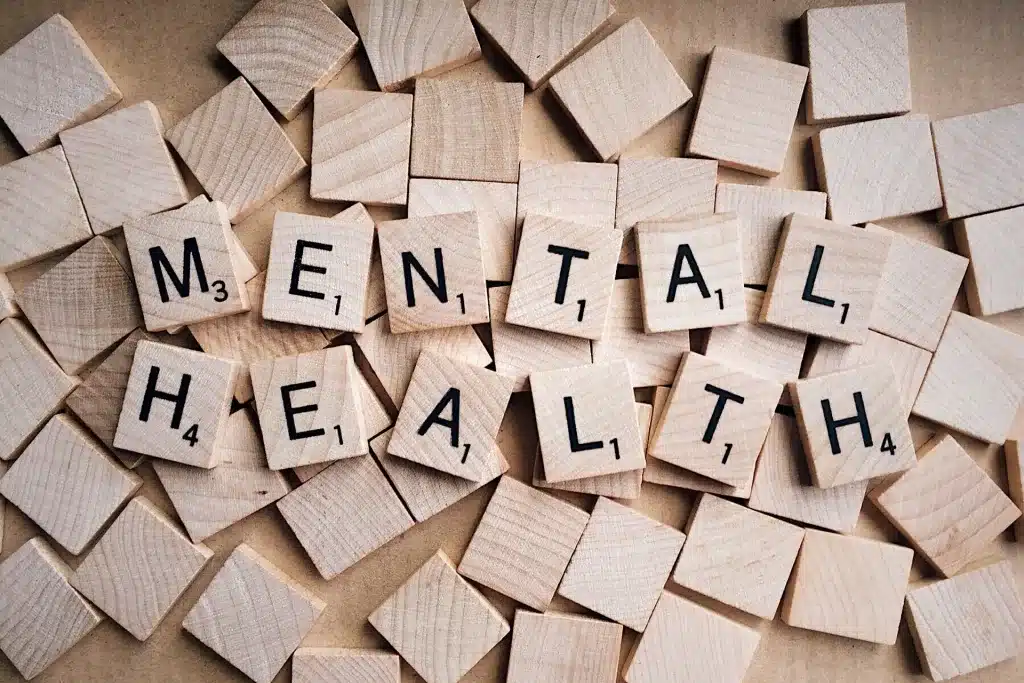
The prevalence of mental health problems in communities, workplaces, and educational institutions is increasing, making the capacity to get the right training essential rather than elective. Regardless of your role—teacher, boss, carer, or community volunteer—being able to handle emotional discomfort may have a significant impact. Choosing the appropriate mental health training programme guarantees that you will acquire useful skills, บริการ ฉีดวัคซีน self-assurance, and the capacity to react appropriately in real-world scenarios.
Recognising The Significance Of Mental Health Training
Training in mental health gives people the skills they need to see warning signals early, provide first care, and direct someone to a professional. Structured training, as opposed to general awareness programmes, offers step-by-step reaction tactics that help prevent situations from becoming crises. People can lessen anxiety, ensure safety, and aid in healing when they know how to react correctly and gently.
In settings where stress levels are high or where people may experience trauma, emotional breakdowns, or psychological suffering, training is very beneficial. Employees with the ability to react properly and with compassion are beneficial in public service positions, business settings, healthcare facilities, and educational institutions.
Determining Your Environment And Purpose
It is crucial to think about where and how you will apply the skills before choosing a training programme. Different reaction strategies are needed in different situations.
Training that emphasises stress management, burnout identification, and crisis resolution within professional bounds is often necessary for workplace professionals. Programmes that address behavioural warning indicators and juvenile mental health are beneficial to educators and school personnel. In order to help people of all ages and backgrounds, community volunteers and carers may need more extensive training.
Knowing your objective makes it easier to choose the most relevant course material and guarantees that your training is in line with your duties.
Assessing The Course Material And Useful Skills
A top-notch programme needs to provide more than just theoretical information. It needs to include communication techniques, real-world simulations, and scenario-based learning. Participants benefit from hands-on training in safe intervention methods, crisis de-escalation, and listening skills.
Because they emphasise quick reaction abilities in emergency circumstances, courses that include modules like 11379NAT Initial Response to a Mental Health Crisis are very beneficial. Participants in these programmes learn how to evaluate danger, maintain safety, and reassure others until expert assistance is available.
Seek out programmes that prioritise:
- Identifying warning indicators and changes in behaviour
- Speaking empathetically and without passing judgment
- Safely reacting to emotional emergencies
- Recognising professional assistance and referral channels
If you get training that combines theory and practical application, you can confidently put what you learn into practice.
Examining Professional Recognition And Accreditation
Selecting an approved programme guarantees that the instruction satisfies accepted criteria and offers a reliable certification. Employers and professional associations often choose accredited training since it shows proficiency and a dedication to mental health understanding.
Additionally, certification offers confirmation that the course material is supported by research and in line with contemporary mental health procedures. This is especially crucial for organisations that are putting health and safety programmes into place.
First Aid For Mental Health Crisis Response programmes often adhere to formal regulations created to guarantee uniformity and security in emergency scenarios. While maintaining professional boundaries, these frameworks assist participants in understanding their responsibilities.
Flexibility And Choices For Learning Formats
In order to accommodate varying schedules and learning styles, training providers increasingly provide flexible learning methods. While First Aid for Mental Health Courses provide convenience and self-paced advancement, in-person workshops enable interactive learning and role-playing activities.
Blended learning options combine online theory with in-person practical sessions, offering the best of both worlds. Think about your learning preferences, availability, and the amount of engagement required to feel comfortable using the skills when selecting a programme.
In order to ensure team cohesiveness and relevance, organisations may also choose group training sessions that are customised to working settings.
Choosing Wisely For Long-Term Effects
Selecting an appropriate mental health training programme is an investment in community well-being, occupational safety, and personal development. In addition to increasing knowledge, the correct course will develop empathy, resilience, and self-assurance in dealing with difficult circumstances.
You may make sure you are ready to help when someone most needs it by choosing a programme that fits in with your surroundings, develops useful skills, and gives accredited certification. By enabling people to behave with empathy and clarity, mental health training makes situations safer and more encouraging for everybody.