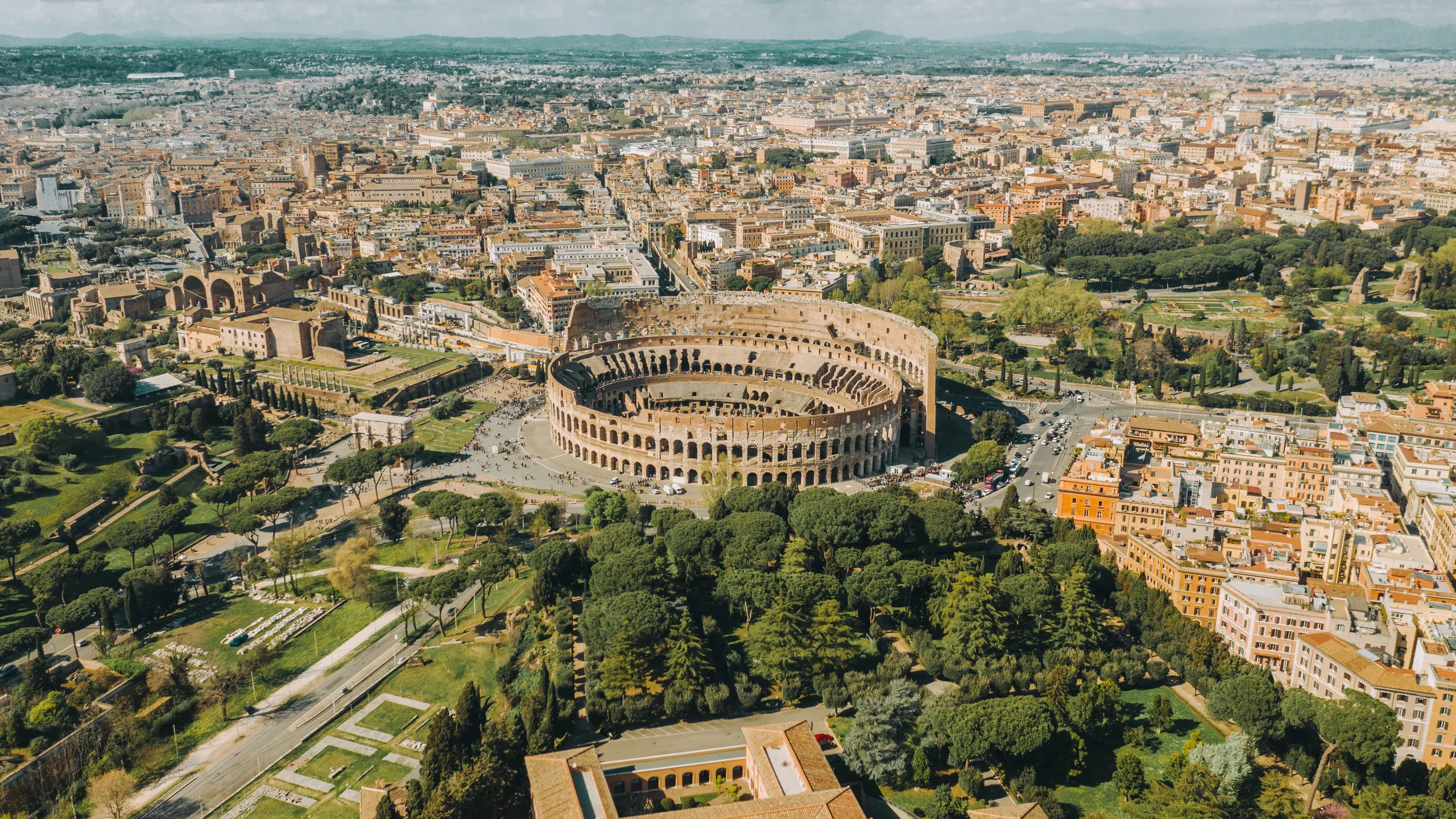
For many travelers, Europe still equals a short list of “must-see” art destinations: the grand capitals, the monumental galleries, the endlessly photographed masterpieces. Yet anyone who has wandered into a quiet local museum on a rainy weekday knows that the story of European art is far richer than a handful of crowded halls. Away from the queues and souvenir shops, a different map emerges—one drawn by modest regional collections, experimental galleries, and thoughtful public art projects in cities that rarely appear in glossy brochures.
Some people look for excitement in fast digital entertainment such as live casino monopoly big baller, while others seek a more reflective kind of thrill in standing alone before an unfamiliar painting in a nearly empty room. The second type of rush is quieter, but it reshapes how you perceive places, histories, and even your own daily life. This is where Europe for art lovers truly begins: not at the most famous doorstep, but in the network of lesser-known spaces that support artistic expression year after year.
Rethinking the Idea of the “Art Capital”
The notion that a few cities concentrate all “important” art has always been simplistic. Major capitals accumulated wealth and power, so it made sense that they attracted great artists, patrons, and institutions. But artists also came from somewhere else, and many chose to stay in the towns where they were born or where they could afford to live and experiment. Over time, these quieter places developed their own lively ecosystems: regional schools, craft traditions, and small academies that influenced national culture without attracting mass tourism.
Looking beyond the usual list means paying attention to these secondary centers. Instead of asking, “Which world-famous painting is here?” you might ask, “What did artists from this region care about? Which materials did they use? How did they portray their landscape or their politics?” This shift in questions turns an art trip from a checklist into a genuine investigation.
Industrial Cities Turned Cultural Laboratories
One of the most striking patterns in contemporary Europe is the transformation of old industrial cities into cultural hubs. Former factories and warehouses, once smoky and loud, now house airy galleries and studios. The brick walls and steel beams remain, but they frame installations, video works, and experimental performances rather than machinery.
These cities often feel more approachable than polished capitals. Their streets still bear traces of hard labor and economic struggle, and their art scenes respond to that history. Exhibitions might focus on migration, class, or environmental damage, using local stories as a starting point for broader reflection. Visitors who arrive expecting something grey and forgotten are often surprised to find sharp, inventive work and a strong sense of community pride.
What makes these places attractive for art lovers is precisely their in-between status. Rents are lower, and institutions are still flexible enough to take risks. Young curators and artists can try ideas that might be too unconventional for larger, more conservative museums. Spending a few days in such a city allows you to see art as a living, evolving practice rather than a sealed canon.
University Towns and Their Quiet Collections
Another rewarding category is the university town: cities where the population skews young, curious, and transient. Here, art rarely exists in isolation. It is woven into academic life through campus galleries, interdisciplinary festivals, and research-driven exhibitions. A small museum attached to a faculty building might hold unexpectedly strong collections of prints, medieval manuscripts, or experimental photography.
Because these institutions are often designed for students and scholars, their exhibitions may be more analytical than spectacular. Labels can be dense, themes subtle, and programming intellectually ambitious. For the traveler willing to read, think, and linger a bit longer, this can be deeply satisfying. You are not just consuming culture but engaging with ongoing conversations about history, gender, memory, or technology.
In the evenings, the same town might host lively readings in bookstores, film screenings in improvised spaces, or performances in modest but atmospheric theaters. The boundary between “high art” and everyday life becomes pleasantly blurred.
Border Cities and Layered Identities
Border regions are particularly rich territories for art-focused travel. Here, centuries of shifting frontiers have produced layered identities: multiple languages on street signs, blended architectural styles, and overlapping religious traditions. Local museums and galleries mirror this complexity, often foregrounding questions of belonging, exclusion, and coexistence.
An exhibition in a border city might show how artists responded to partition, war, or political union. Paintings might depict familiar landscapes from differing national perspectives. Contemporary works may address present-day tensions around migration or minority rights. For visitors, this offers a nuanced view of Europe that goes beyond simple narratives of unity or division.
Public art in such places can also be revealing. Monuments, murals, and subtle interventions in the urban fabric show which histories are being celebrated, ignored, or quietly contested. Walking through these spaces with a bit of historical awareness turns the entire city into a sprawling, open-air museum.
Strategies for Building an Offbeat Art Itinerary
Designing a thoughtful journey for art lovers beyond the usual list does not require an exhaustive knowledge of art history. It asks for curiosity and a few practical strategies.
First, follow the artists. Look up where contemporary painters, sculptors, or film-makers maintain studios or residencies; these towns often host festivals, open studios, or small biennials that attract interesting work. Second, check regional networks rather than only national ones. Local cultural calendars, in whichever language, can reveal intimate events that large platforms overlook.
Third, give yourself time to wander. Some of the most memorable discoveries happen when you step into a small municipal gallery because you noticed a poster on a lamppost. These institutions may be unpolished, but their exhibitions often provide a direct window into local concerns: the restructuring of a harbor, the closure of a mine, or the changing role of religion in community life.
Finally, balance your trip. Combine one slightly larger city with a couple of smaller ones nearby, so you can compare their approaches to art. Notice differences in funding, architecture, and audience. Who is in the gallery at 11 a.m. on a weekday—school groups, retirees, tourists, or nobody at all? Each answer tells you something about the place.
Why These Journeys Matter
Seeking art beyond the famous capitals is not just a way to avoid queues or appear sophisticated. It changes your understanding of Europe itself. Instead of a continent defined by a handful of iconic buildings and masterpieces, you encounter a patchwork of communities that express themselves visually in distinct yet interconnected ways.
In smaller cities and modest museums, art is often less polished but more immediate. You may see imperfect exhibitions, uneven collections, or raw experimental projects. Yet these experiences can be more moving than a quick glimpse of a celebrated painting over the heads of a crowd. They remind you that culture is not simply inherited from the past but constantly made and remade by people responding to their circumstances.
For the patient traveler, Europe for art lovers becomes an open-ended project. Each journey suggests a new cluster of cities to explore, a new thread of history to follow, a new set of questions to ask. Instead of finishing with the feeling that you have “done” a place, you leave with a gentle sense of incompleteness—and the desire to come back, to look longer, and to keep learning through the quiet, stubborn presence of art in everyday life.