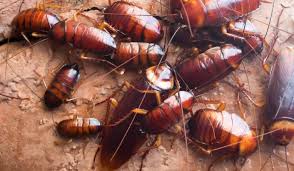
Cockroaches are a persistent nuisance in many urban environments, and their ability to thrive in human habitats makes them a common concern for residents. Tightly built residential communities, with their close proximity of homes and shared infrastructure, may create unique conditions that influence how cockroach populations spread. Understanding the factors that contribute to infestations in these settings is crucial for effective prevention and management. This article examines the relationship between dense housing developments and cockroach activity, exploring why these pests may be more prevalent in such environments and what residents can do to minimize their risk.
Why dense communities matter for cockroach spread
How cockroaches thrive in urban environments
Urban environments provide cockroaches with everything they need to survive: warmth, moisture, food sources, and shelter. In tightly built residential communities, these resources are often abundant and easily accessible. The close arrangement of homes, apartments, and shared spaces means that cockroaches can move quickly from one unit to another, especially through walls, plumbing, and utility lines. Even small cracks or gaps can serve as entry points, allowing these pests to exploit the interconnectedness of buildings. Additionally, the high density of people in these areas often leads to increased waste production and more frequent food spills, both of which attract cockroaches. The constant availability of food and water, combined with the shelter provided by cluttered storage areas, basements, and utility rooms, creates an ideal environment for cockroach populations to flourish. As a result, infestations can escalate rapidly if not addressed promptly, making prevention and early intervention particularly important in urban settings.
The role of building design and maintenance
The design and maintenance of residential buildings play a significant role in determining how easily cockroaches can spread. Older buildings or those with poor construction may have more cracks, gaps, and unsealed entry points, which provide easy access for pests. Shared walls, plumbing systems, and ventilation ducts can act as highways for cockroaches, enabling them to travel between units without being seen. Even in newer developments, inadequate sealing around pipes or poorly maintained communal areas can create vulnerabilities. Regular maintenance is essential to minimize these risks, but in densely populated communities, coordinating repairs and pest management efforts can be challenging. When one unit experiences an infestation, it often becomes a community-wide issue, as cockroaches can quickly migrate to neighboring homes. This interconnectedness means that individual efforts may not be enough; a coordinated approach is often necessary to achieve lasting results. For residents in Overland Park, cockroach control Overland Park services can provide targeted solutions that address the unique challenges of tightly built communities.
Environmental factors influencing cockroach populations
Environmental conditions within tightly built residential communities can significantly impact cockroach populations. High humidity levels, common in basements and poorly ventilated areas, create favorable breeding grounds for these pests. Cockroaches are highly adaptable and can survive in a variety of conditions, but they thrive in warm, moist environments. The presence of standing water from leaky pipes, condensation, or clogged drains further enhances their ability to reproduce and spread. Additionally, the accumulation of organic debris in shared spaces such as laundry rooms, trash chutes, and storage areas provides ample food sources. Seasonal changes can also influence cockroach activity, with infestations often peaking during warmer months when conditions are optimal for breeding. In tightly built communities, these environmental factors are often amplified due to the concentration of people and resources in a small area. Addressing these issues requires ongoing vigilance and a commitment to maintaining clean, dry, and well-ventilated living spaces.
Social dynamics and pest management challenges
Tightly built residential communities often face unique social dynamics that can complicate pest management efforts. With many residents living in close quarters, communication and cooperation are essential for effective cockroach control. However, differences in attitudes toward cleanliness, varying levels of awareness about pest prevention, and inconsistent participation in community-wide initiatives can hinder progress. Some residents may be reluctant to report infestations due to stigma or fear of blame, allowing problems to escalate unnoticed. Additionally, language barriers or cultural differences may impact the effectiveness of educational campaigns and outreach efforts. Property managers and homeowners’ associations play a critical role in fostering a sense of shared responsibility and ensuring that all residents have access to the information and resources they need. Successful pest management in these settings often depends on building trust, encouraging open communication, and promoting a collective commitment to maintaining a healthy living environment.
Quick facts about cockroach infestations
Cockroach infestations can develop rapidly, especially in environments where food and water are readily available. These pests are nocturnal and often go unnoticed until their populations have grown significantly. Early signs of an infestation include droppings, egg cases, and a musty odor. Prompt action is essential to prevent the spread of cockroaches to neighboring units.
Prevention strategies for residents
Preventing cockroach infestations in tightly built residential communities requires a proactive and coordinated approach. Residents should focus on eliminating food and water sources by keeping kitchens clean, storing food in sealed containers, and promptly cleaning up spills. Regularly taking out the trash and ensuring that garbage bins are tightly sealed can also help reduce attractants. Sealing cracks and gaps around doors, windows, and utility lines is crucial to prevent cockroaches from entering homes. Addressing moisture issues by fixing leaky pipes and improving ventilation can make living spaces less hospitable to pests. In multi-unit buildings, it is important for neighbors to work together and share information about pest sightings or maintenance concerns. Property managers should schedule regular inspections and coordinate pest control treatments as needed. By fostering a culture of cooperation and vigilance, residents can significantly reduce the risk of widespread infestations and maintain a healthier living environment.
Conclusion
Tightly built residential communities present unique challenges when it comes to controlling the spread of cockroaches. The close proximity of homes, shared infrastructure, and abundance of resources create ideal conditions for these pests to thrive and move between units. Building design, maintenance practices, environmental factors, and social dynamics all play a role in determining how easily cockroach populations can establish themselves and spread. Effective prevention and management require a combination of individual responsibility and community-wide cooperation. By staying informed, maintaining clean and well-sealed living spaces, and working together, residents can reduce the risk of infestations and protect their homes from the persistent threat of cockroaches.