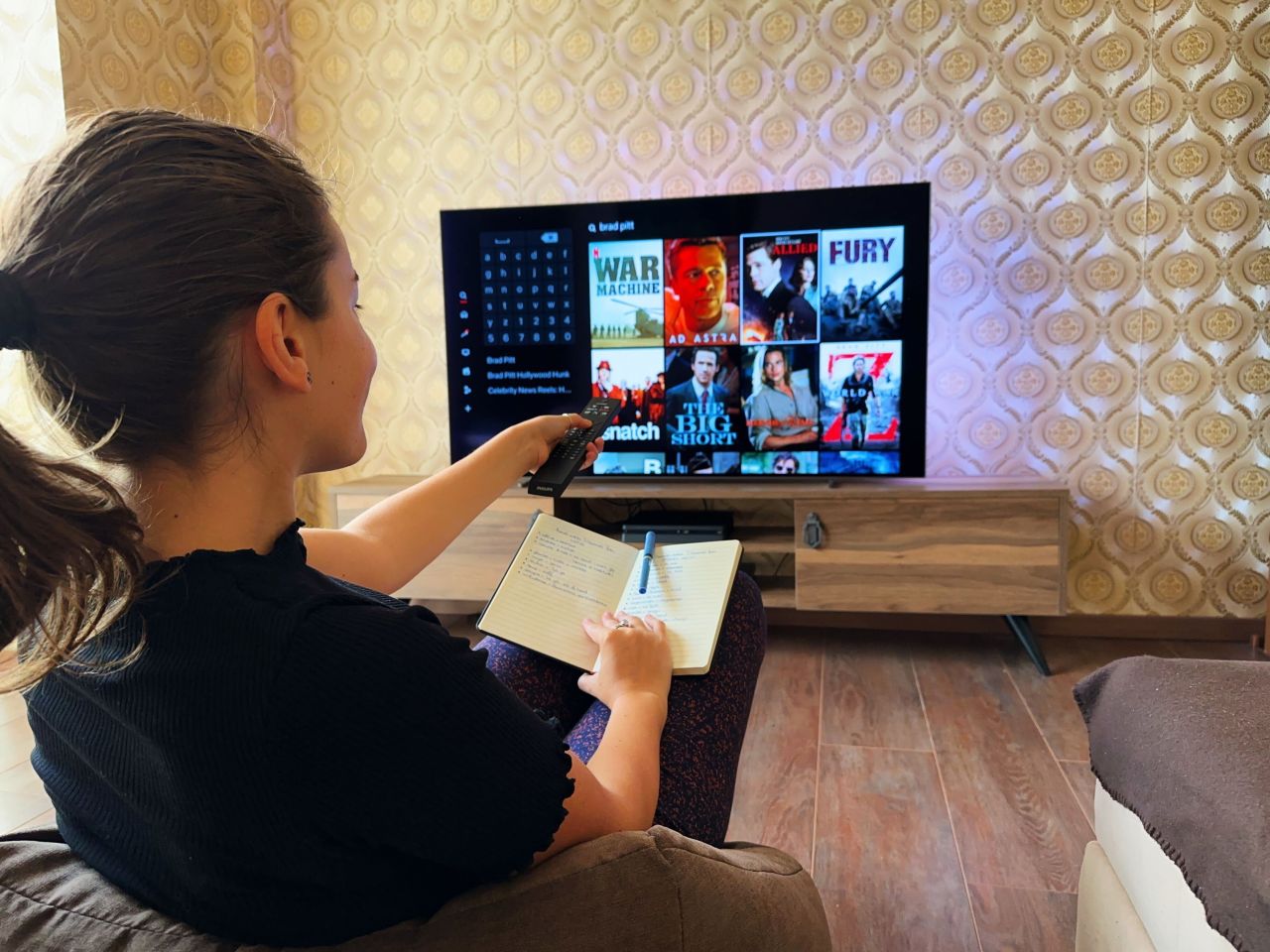
You probably already spend a good chunk of your free time watching dramas, comedies, or reality shows. The pleasant surprise is that the same relaxed habit can become a serious language-learning tool if you tweak how you watch and what you pay attention to.
Many people relax with mobile games or online pastimes like funky time betting, while others scroll endlessly through short videos. It all blends into one long blur of entertainment. But if you approach TV series with a little more intention, every episode can quietly train your ear, sharpen your vocabulary, and build the confidence you need to speak.
Why TV shows are surprisingly powerful teachers
Textbooks tend to give you tidy, polished sentences that nobody actually says in everyday life. TV shows, on the other hand, drop you right into real conversations. You hear hesitations, jokes, slang, and emotional reactions. You see characters move, gesture, and react, which gives you visual clues to meaning even when you miss words.
Your brain links phrases with situations: a sarcastic remark during an argument, a polite greeting in a shop, a warm compliment between friends. Over time, these patterns become familiar, and you start predicting what characters might say next. That prediction skill is one of the quiet engines of fluency.
Choosing the right show for your level
Not every series will help you equally. If the dialogue is too fast and complex, you will feel lost and discouraged. If it is too simple, you will drift back into passive watching. Aim for a sweet spot: a show where you understand roughly half of what is being said when reading subtitles in your native language.
Genre matters too. Crime dramas and medical series often use specialised vocabulary that is hard at the beginning. Slice-of-life comedies, family stories, and workplace shows usually rely on everyday language you can reuse. Curiosity about the plot can carry you through moments of confusion and keep you pressing “next episode” even when your brain feels tired.
Setting up a smart viewing routine
If you do not have time to rewatch whole episodes, choose one or two favourite scenes and treat them as mini lessons. The repetition may feel dull at first, but it is exactly this regular contact with familiar material that helps new phrases move into long-term memory.
Turning passive watching into active practice
To transform relaxed viewing into learning, add small, active tasks. After an episode, jot down five to ten expressions that feel useful or vivid. Try to write short example sentences with them, ideally related to your own life rather than the show.
Shadowing is another powerful technique. Choose a short, lively scene and play a line of dialogue. Pause, then repeat it out loud, copying rhythm, stress, and intonation. At first you will sound awkward, but with practice you will feel your mouth adapting to the new sounds. Your accent may not become perfect, but your speech will grow smoother and more natural.
Using subtitles strategically
Subtitles can be both a blessing and a trap. If you always read text in your native language, your ears switch off and you stop listening. If you turn subtitles off too early, you can become frustrated. A balanced approach is to start with subtitles in your language for a new series, then switch to target-language subtitles once you know the main characters and plot.
As your listening improves, experiment with turning subtitles off for short sections. You might watch the first five minutes of an episode without subtitles, then switch them on to check what you missed.
Bringing TV learning into real conversations
TV shows give you a rich reservoir of phrases, but fluency appears when you start using them in real situations. After watching an episode, pick one or two expressions and deliberately drop them into a conversation with a language partner, tutor, or friend. Even a simple online chat can be a testing ground.
You can also practice by retelling scenes out loud, either alone or to someone else. Describe what happened, how characters felt, and why a particular moment was funny or dramatic. This forces you to reorganise the language from the episode into your own words, which is excellent training for spontaneous speaking.
From casual viewing to sustained progress
In the end, using TV shows to learn a language is about turning an ordinary habit into a deliberate practice. You do not need expensive courses or complicated technology. You need a show you enjoy, a bit of curiosity, and a willingness to watch with slightly more attention than usual.
Over weeks and months, those small choices accumulate. A scene you once found impossibly fast becomes clear. A joke you previously missed suddenly makes sense. You start catching familiar words in other contexts: in a podcast, a song, or a conversation with a native speaker. That is the quiet moment when you realise that your evenings on the sofa have been doing more than entertaining you—they have been carrying you, step by step, from casual viewing to genuine fluency.